NEPA, Environmental Permitting & Ecological Services
Helping Clients Identify Constraints Early and Keep Projects Moving
Successful development starts long before construction begins. Environmental permitting requirements, wetlands, endangered species habitat, cultural resources, and federal review processes can all impact project schedules, budgets, and site feasibility.
Patriot’s NEPA, Environmental Permitting & Ecological Services team helps clients identify potential constraints early in the planning process, allowing informed decisions that reduce risk, streamline permitting, and support successful project delivery.
Whether evaluating a site for acquisition, planning a residential or industrial development, pursuing infrastructure improvements, or navigating federal funding requirements, our team provides practical solutions that help move projects forward
Supporting Smarter Site Selection and Development Decisions
Environmental and regulatory considerations can significantly affect project timelines and development costs. By evaluating potential issues early, project teams can avoid unexpected delays, redesign efforts, and permitting challenges later in the process.
Patriot assists clients throughout the project lifecycle by:
- Evaluating environmental constraints during site selection
- Identifying permitting requirements before project design begins
- Coordinating with federal, state, and local agencies
- Supporting environmental compliance efforts
- Helping projects maintain schedule and budget objectives
Our team works with developers, engineers, home builders, industrial clients, municipalities, transportation agencies, utilities, and public-sector organizations throughout the Midwest.
NEPA Evaluation & Coordination
Changes to the National Environmental Policy Act (NEPA) continue to place greater importance on early planning and understanding applicable review pathways. Patriot helps clients navigate federal environmental review requirements while identifying opportunities to streamline project approvals.
Services include:
- Preliminary NEPA screening
- Environmental constraint assessments
- Federal database reviews
- Categorical Exclusion (CE) evaluations
- State Historic Preservation Office (SHPO) coordination
- Agency coordination and documentation support
- Environmental review strategy development
By identifying requirements early, project teams can better understand schedules, permitting needs, and potential project risks before significant investments are made.
Wetland & Stream Delineations
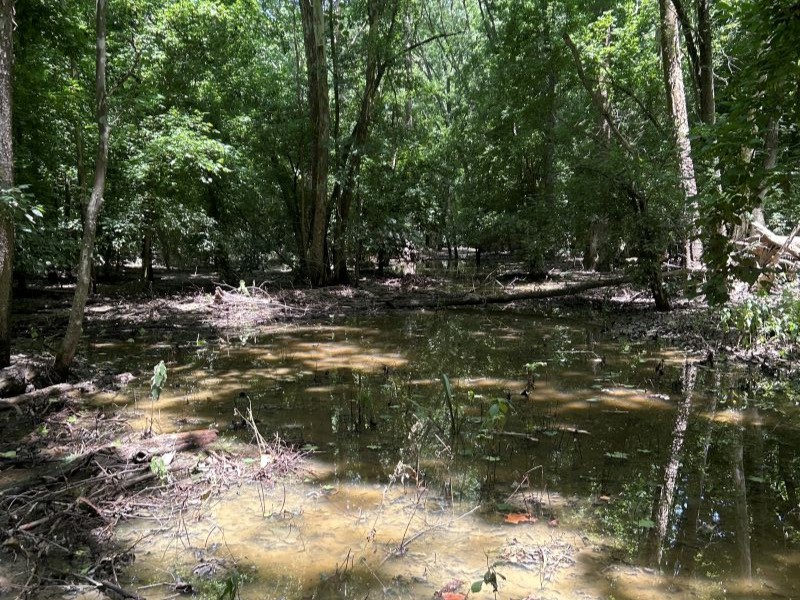
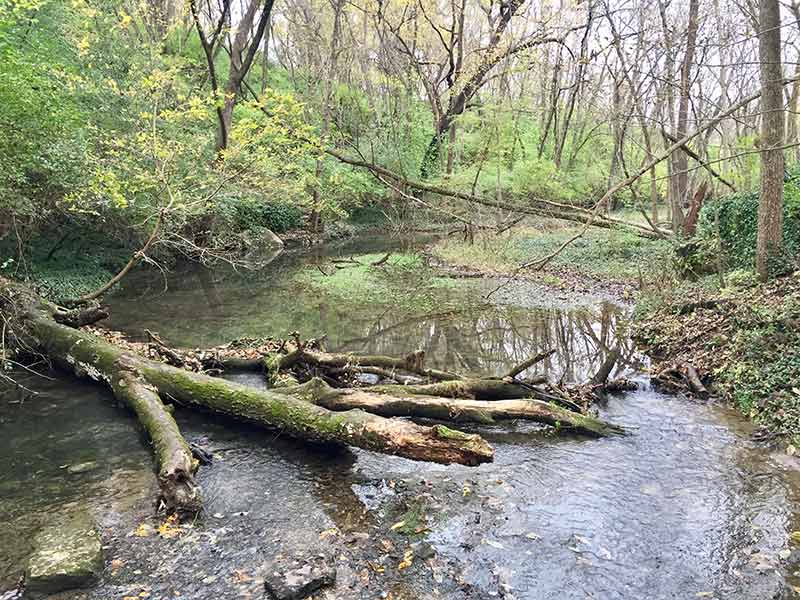
Wetlands and streams are among the most common environmental considerations affecting site development and infrastructure projects. Patriot performs detailed field investigations to identify jurisdictional resources and support future permitting efforts.
Our experience includes projects ranging from less than one acre to more than 1,000 acres across a variety of development types.
Services include:
- Wetland delineations
- Stream delineations
- Wetland & stream quality screening
- Jurisdictional determinations
- Regulatory agency coordination
Early delineation efforts often help clients evaluate development alternatives and avoid costly redesigns later in the project.
Waters of the U.S. (WOTUS) Permitting
Projects impacting wetlands, streams, or other regulated waters frequently require permitting through the U.S. Army Corps of Engineers and associated state agencies.
Patriot guides clients through the permitting process from initial impact assessments through agency approvals.
Services include:
- Section 404 Federal Permitting
- Section 401 State Water Quality Certification
- Nationwide Permits (NWP)
- Regional General Permits (RGP)
- Individual Permits (IP)
- Agency coordination and permit support
Our goal is to help clients understand permitting requirements early and navigate the process as efficiently as possible.
Endangered Species Habitat Assessments
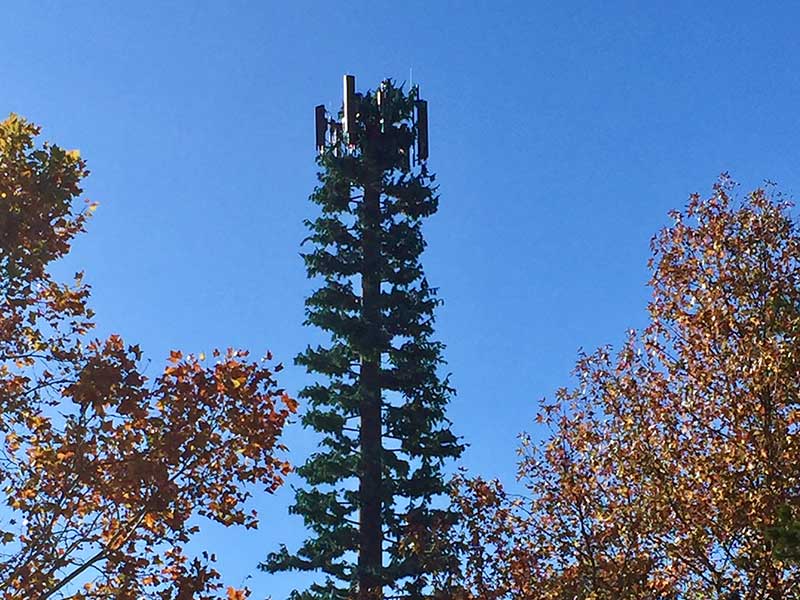
Protected species and habitats can influence project design, permitting requirements, and development schedules. Patriot performs habitat assessments and coordinates with regulatory agencies to support environmental compliance and project approvals.
Common assessments include:
- Bat habitat assessments
- Migratory bird habitat assessments
- Threatened and endangered plant evaluations
- Section 7 U.S. Fish and Wildlife Service (USFWS) coordination
- State wildlife agency coordination
Identifying potential habitat concerns early helps minimize project uncertainty and supports informed development decisions.
Archaeological & Cultural Resource Surveys
Archaeological and historical resources can present significant project risks if discovered during construction. Conducting evaluations during site selection and project planning can help avoid delays and unforeseen costs.
Services include:
- Literature reviews
- Cultural resource assessments
- Phase I archaeological surveys
- Phase II archaeological investigations
- Section 106 consultation
- SHPO coordination
These evaluations provide valuable information during property acquisition, planning, and permitting efforts.
Why Patriot?
Patriot combines environmental consulting, ecological services, engineering, and permitting expertise to provide practical guidance throughout the development process.
Our team focuses on helping clients:
- Evaluate sites before acquisition or development
- Understand environmental risks and opportunities
- Streamline permitting and regulatory approvals
- Reduce project uncertainty
- Maintain project schedules and budgets
From preliminary site evaluations through environmental permitting and agency coordination, Patriot helps clients make informed decisions that support successful project outcomes.
Related Services
- Environmental Site Assessments (Phase I & II ESAs)
- Brownfield Redevelopment
- Environmental Permitting
- Ecological Services
- Due Diligence & Site Selection
- Geotechnical Engineering
- Construction Materials Testing & Inspection
Q&As
1. When do I need a NEPA evaluation?
A NEPA evaluation is typically required when a project involves a federal action, such as federal funding (i.e., grants or loans), a federal permit, or approval from a federal agency or their delegated state agency. Common projects include transportation improvements, utility infrastructure, public facilities, property acquisition and disposition (i.e., FEMA/HUD), loan financing (i.e., USDA Rural Development) and developments requiring permits from the U.S. Army Corps of Engineers. Evaluating NEPA requirements early helps identify potential environmental constraints, streamline permitting, and reduce the risk of project delays.
2. Why are endangered species habitat assessments important?
Some projects require evaluations to determine whether protected species or their habitats may be affected by development. Habitat assessments help satisfy regulatory requirements and support coordination with the U.S. Fish and Wildlife Service and state wildlife agencies. Many states restrict tree clearing to specific times of the year, or require evaluation of karst features prior to drilling activities.
3. Can Patriot help determine what environmental permits or studies my project needs?
Yes. Patriot works with clients during site selection and early project planning to identify potential environmental constraints and determine which studies or permits may be required. Depending on the project, this may include NEPA evaluations, wetland and stream delineations, WOTUS permitting, endangered species habitat assessments, archaeological surveys, and agency coordination. By evaluating these requirements early, clients can make informed decisions, reduce permitting risks, and keep projects moving forward.